New Delhi
Delhi
6:00 AM Active
Petrol
₹102.12/L
Diesel
₹95.20/L
CNG
₹75.09/Kg

Instant, accurate, city-wise fuel rate finder for Petrol, Diesel, CNG, Auto LPG, and Domestic Gas Cylinders across 500+ Indian cities and all states.
Real-time retail selling prices (RSP) for Petrol, Diesel, CNG, and LPG revised at 6 AM today across top Tier-1 and Tier-2 urban centres.
| City / Metro | State / UT | Petrol (₹/L) | Diesel (₹/L) | CNG (₹/Kg) | Auto LPG (₹/L) | Domestic LPG (14.2kg) | Action |
|---|---|---|---|---|---|---|---|
| New Delhi | Delhi | ₹102.12 | ₹95.20 | ₹75.09 | ₹54.20 | ₹803.00 | Check Details » |
| Mumbai | Maharashtra | ₹111.21 | ₹97.83 | ₹76.00 | ₹56.40 | ₹802.50 | Check Details » |
| Kolkata | West Bengal | ₹113.51 | ₹99.82 | ₹79.50 | ₹57.10 | ₹829.00 | Check Details » |
| Chennai | Tamil Nadu | ₹107.76 | ₹99.55 | ₹81.00 | ₹58.20 | ₹818.50 | Check Details » |
| Bengaluru | Karnataka | ₹111.68 | ₹99.56 | ₹83.50 | ₹59.00 | ₹805.50 | Check Details » |
| Hyderabad | Telangana | ₹116.15 | ₹104.23 | ₹89.00 | ₹61.30 | ₹855.00 | Check Details » |
| Ahmedabad | Gujarat | ₹102.15 | ₹98.27 | ₹76.44 | ₹53.80 | ₹810.00 | Check Details » |
| Pune | Maharashtra | ₹111.90 | ₹98.55 | ₹79.00 | ₹56.90 | ₹806.00 | Check Details » |
| Lucknow | Uttar Pradesh | ₹101.86 | ₹95.36 | ₹83.20 | ₹55.10 | ₹840.50 | Check Details » |
| Jaipur | Rajasthan | ₹113.19 | ₹98.25 | ₹82.50 | ₹58.40 | ₹806.50 | Check Details » |
| Chandigarh | Chandigarh | ₹101.54 | ₹89.47 | ₹78.90 | ₹52.80 | ₹812.50 | Check Details » |
| Patna | Bihar | ₹113.37 | ₹99.36 | ₹84.50 | ₹59.20 | ₹892.50 | Check Details » |
Plan your journeys, calculate mileage expenditure, and see exact cash savings between Petrol, Diesel, CNG, and Electric Vehicles.
Calculate total fuel needed, per-km running cost, and expense per passenger.
Compare monthly and annual fuel expenses based on your daily travel distance.
| Fuel Type | Avg. Mileage | Monthly Cost | Annual Cost |
|---|---|---|---|
| Petrol (₹94.72/L) | 15 km/L | ₹6,315 | ₹75,776 |
| Diesel (₹87.62/L) | 20 km/L | ₹4,381 | ₹52,572 |
| CNG (₹75.09/Kg) | 24 km/Kg | ₹3,129 | ₹37,545 |
CheckPetrolPrice.com tracks real-time daily revisions for Petrol, Diesel, CNG, Auto LPG, and Domestic Gas Cylinders across all 28 Indian States and 8 Union Territories.
In June 2017, the Government of India and the Ministry of Petroleum and Natural Gas introduced the Dynamic Fuel Pricing Mechanism. Prior to this reform, fuel pump rates were revised fortnightly on the 1st and 16th of each month. Under dynamic pricing, state-owned Oil Marketing Companies (OMCs) — including Indian Oil Corporation Limited (IOCL), Bharat Petroleum Corporation Limited (BPCL), and Hindustan Petroleum Corporation Limited (HPCL) — revise retail fuel prices daily at 6:00 AM Indian Standard Time (IST).
This transparent daily adjustment ensures that fluctuations in international crude oil prices (predominantly the Indian Basket of crude oil) and rupee-dollar currency exchange rates are directly reflected at the retail fuel pump in real time.
The price you pay at the petrol pump is not just the cost of raw petroleum. It is an aggregation of international crude costs, freight, refinery processing margins, central taxes, dealer commissions, and state-specific Value Added Tax (VAT).
India imports over 85% of its crude oil requirements. The base price is determined by the cost of the Indian crude basket (a blend of Oman, Dubai, and Brent crude), transportation insurance, ocean freight to Indian ports, and refining margins charged by refineries such as Jamnagar, Panipat, and Kochi.
The Central Government levies a specific excise duty on every litre of petrol and diesel sold in India. This duty is uniform throughout all states and generates vital revenue for national infrastructure, highway development, and welfare schemes.
Oil Marketing Companies pay a standardized dealer commission to petrol pump franchisees for operational expenses, staff salaries, storage, evaporation losses, and electricity. Dealer commission generally ranges from ₹3.00 to ₹4.20 per litre of petrol and ₹2.00 to ₹2.90 per litre of diesel.
Because petroleum products are currently outside the scope of the Goods and Services Tax (GST) regime, each State Government exercises autonomous authority to impose its own VAT or local sales tax. For instance, states like Maharashtra, Telangana, and Andhra Pradesh levy higher VAT percentages, whereas Andaman & Nicobar Islands, Delhi, and Chandigarh maintain lower tax structures, creating regional price variations.
If you want to verify pump prices before refuelling, you can use the official SMS query codes provided by Indian oil companies:
RSP <Dealer Code> to 9224992249RSP <Dealer Code> to 9223112222HPPRICE <Dealer Code> to 9222201122When choosing a new vehicle or deciding on a daily commute mode, fuel economics play a decisive role. While petrol engines provide smooth city driving and lower initial vehicle purchase costs, diesel offers superior torque and highway efficiency. Meanwhile, Compressed Natural Gas (CNG) is the greenest and most economical alternative, slashing operational expenses by over 50% compared to conventional liquid fuels.
To guarantee that you receive 100% adulteration-free fuel and exact quantity every time you visit a fuel pump in India, exercise these official statutory consumer rights under the Ministry of Petroleum & Natural Gas:
0.00 in volume and price before the attendant triggers the fuel nozzle.Simple driving and vehicle maintenance adjustments can significantly lower your household fuel budget:
Under the National Biofuel Policy, India is accelerating the rollout of E20 fuel (20% ethanol blended with petrol). Key facts for vehicle owners:
Quick 1-click access to complete city-wise and district-wise fuel prices across all 28 States and 8 Union Territories of India.
Discover our specialized sister platforms engineered to save money on daily mobility, commercial leases, road trip tolls, and automated wealth management.
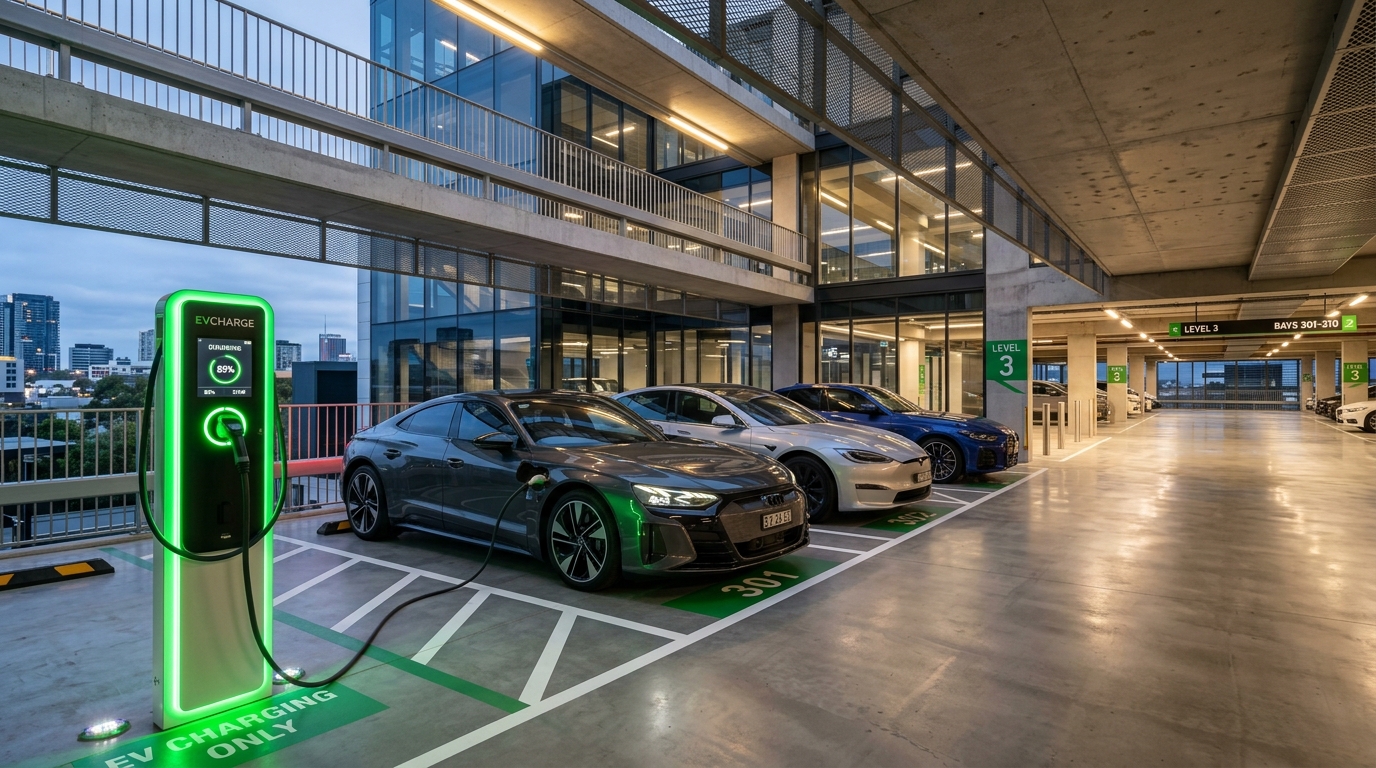 Smart Parking & EV
Zero-brokerage monthly parking space rentals, garage leasing & EV charging stations.
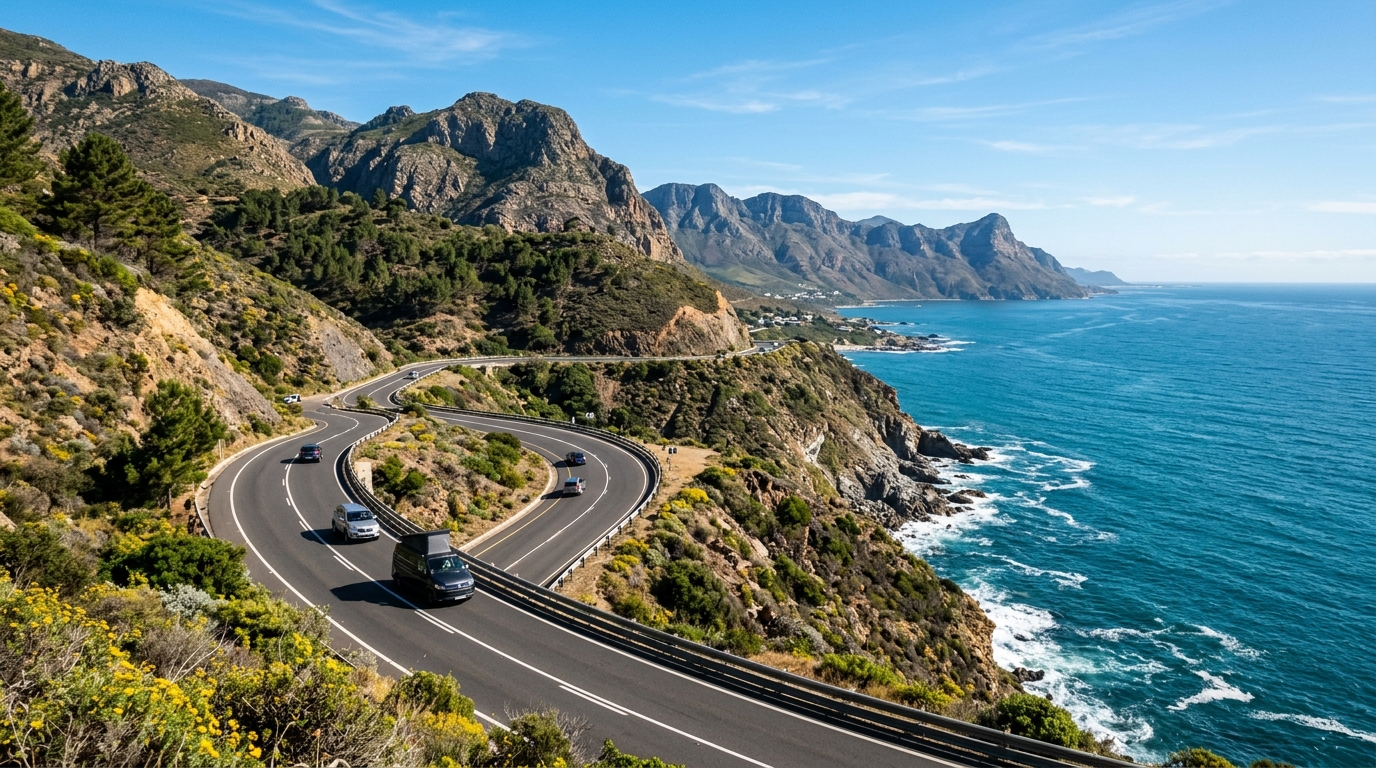 Global Road Trips
Global road-trip planner to avoid expensive turnpikes, toll bridges and paid tollways across the USA, Europe and international destinations.
 Commercial Real Estate
Find and lease commercial shops, retail showrooms, boutique outlets and office spaces with direct owner contact and 0% brokerage.
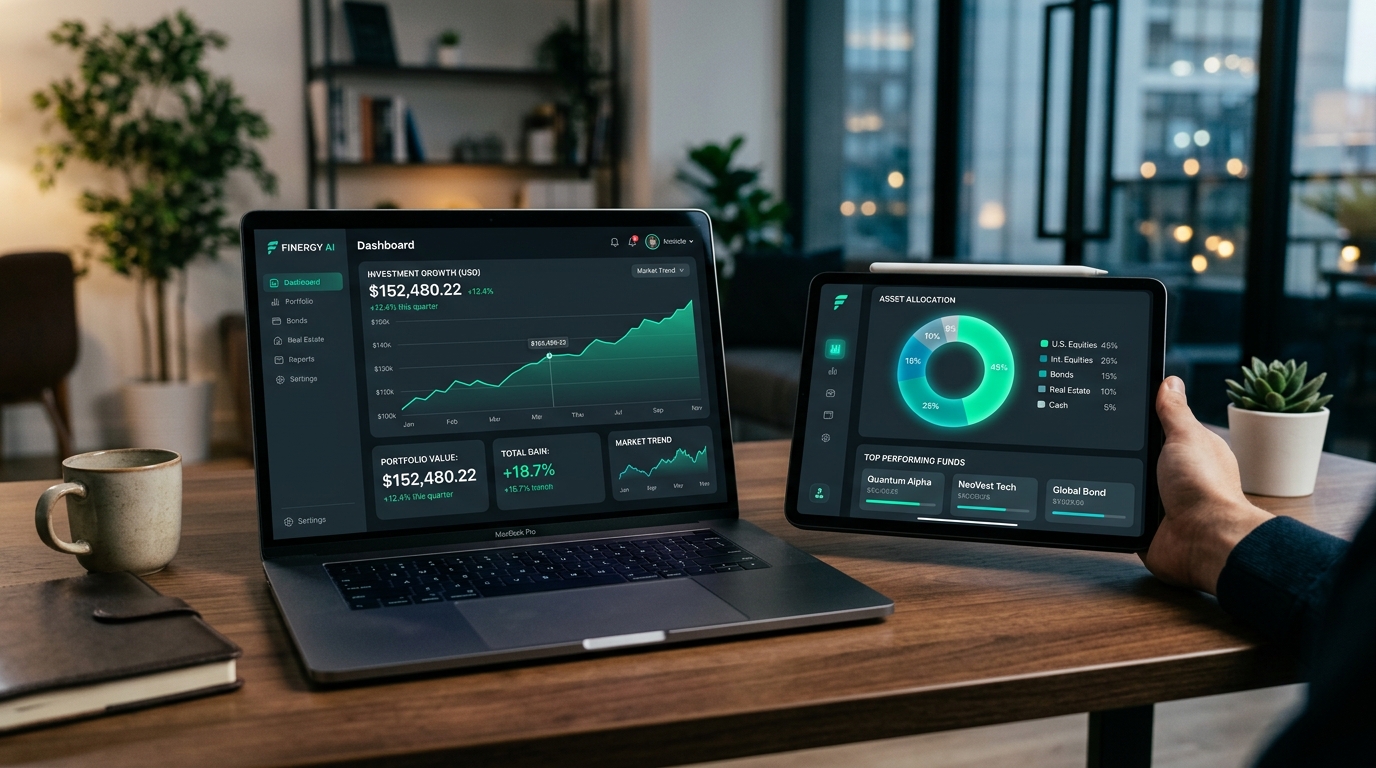 Fintech & Wealth AI
AI-powered financial management, multi-asset allocation, mutual funds and wealth planning.
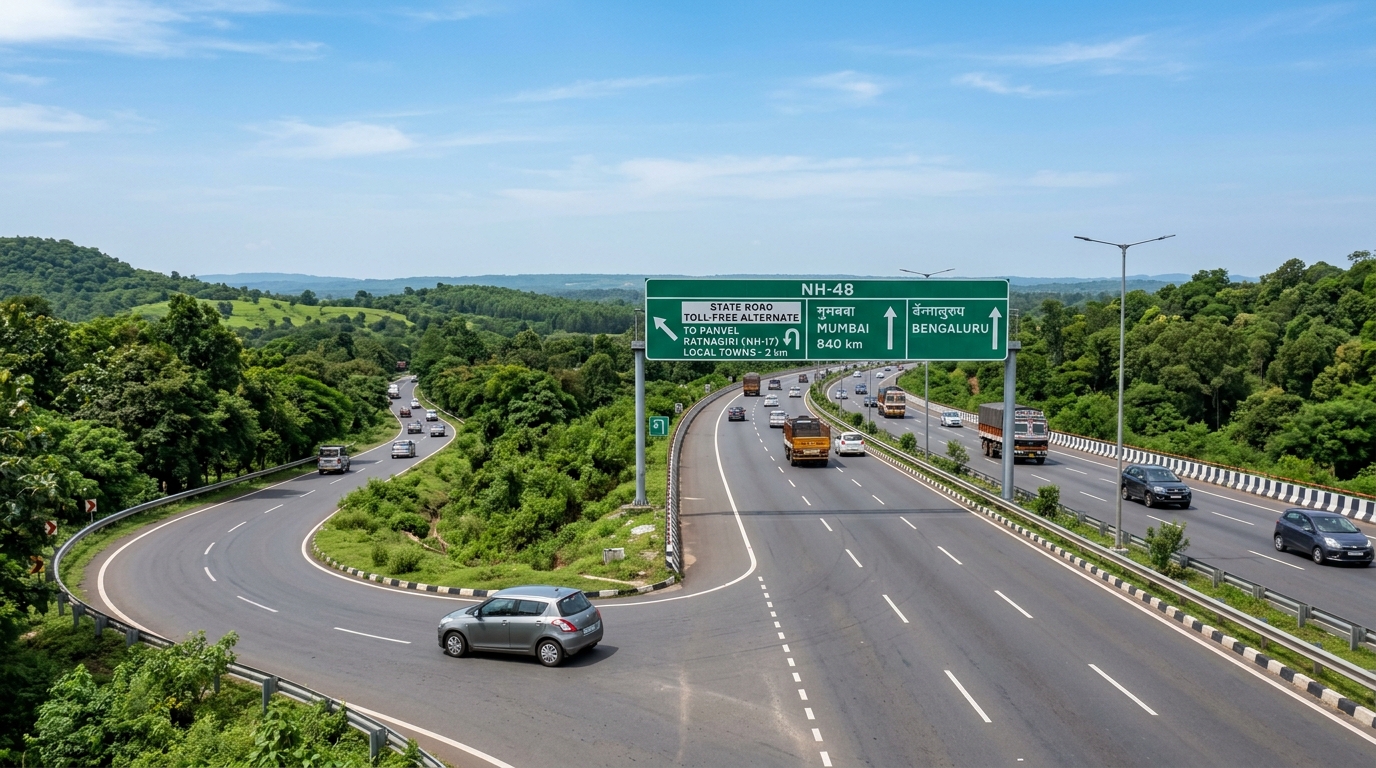 India Highway Bypasses
Alternate toll-free highway routing and bypass navigation.
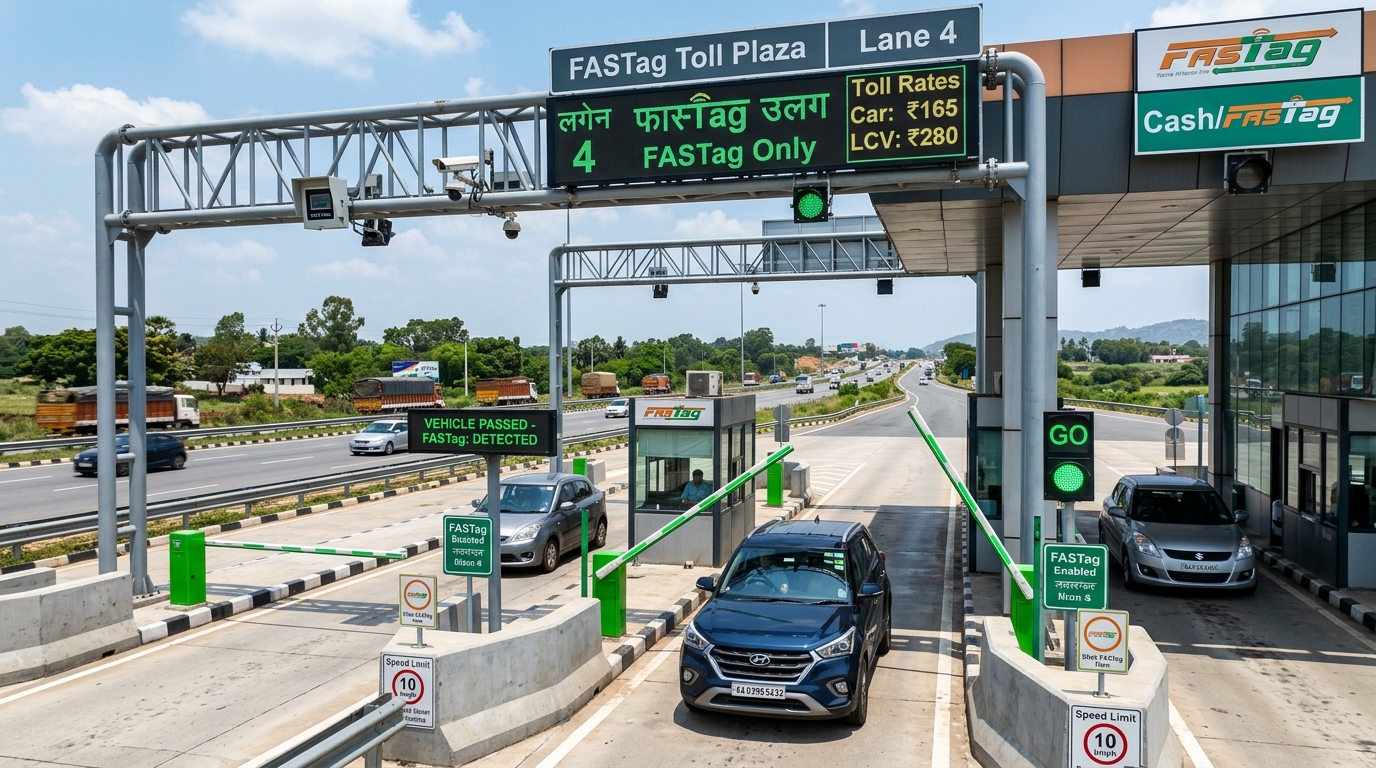 Toll & FASTag Calculator
National highway toll plaza tax calculation, fastag rates & route planning.
Clear, direct answers regarding daily fuel revisions, tax formulas, LPG subsidies, and fuel economy in India.
RSP <Dealer Code> to 9224992249
RSP <Dealer Code> to 9223112222
HPPRICE <Dealer Code> to 9222201122